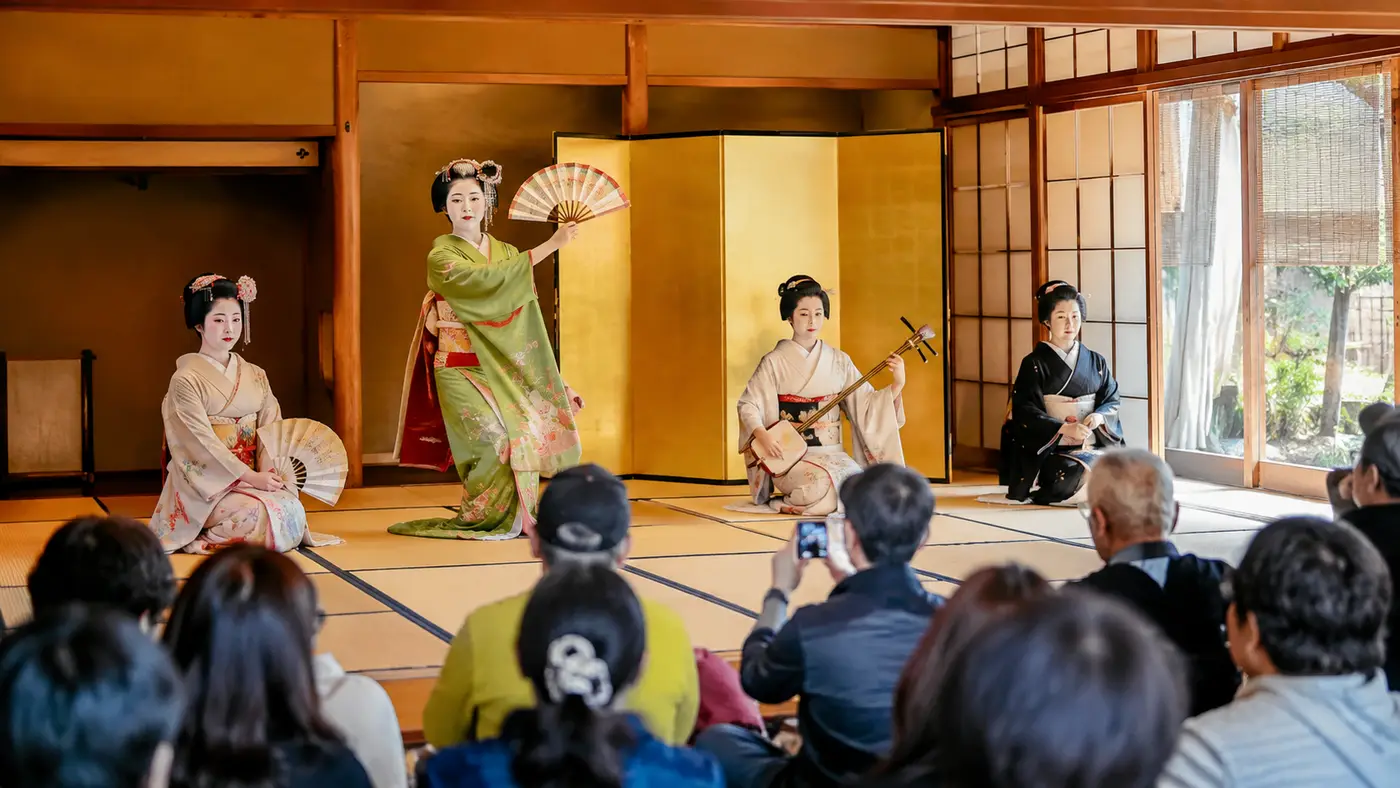
Do Geishas Still Exist? Modern Geisha Culture, Rules, and History
Do geishas still exist in modern Japan? Discover where real geiko and maiko live today, their daily training rules, …
Continue Reading →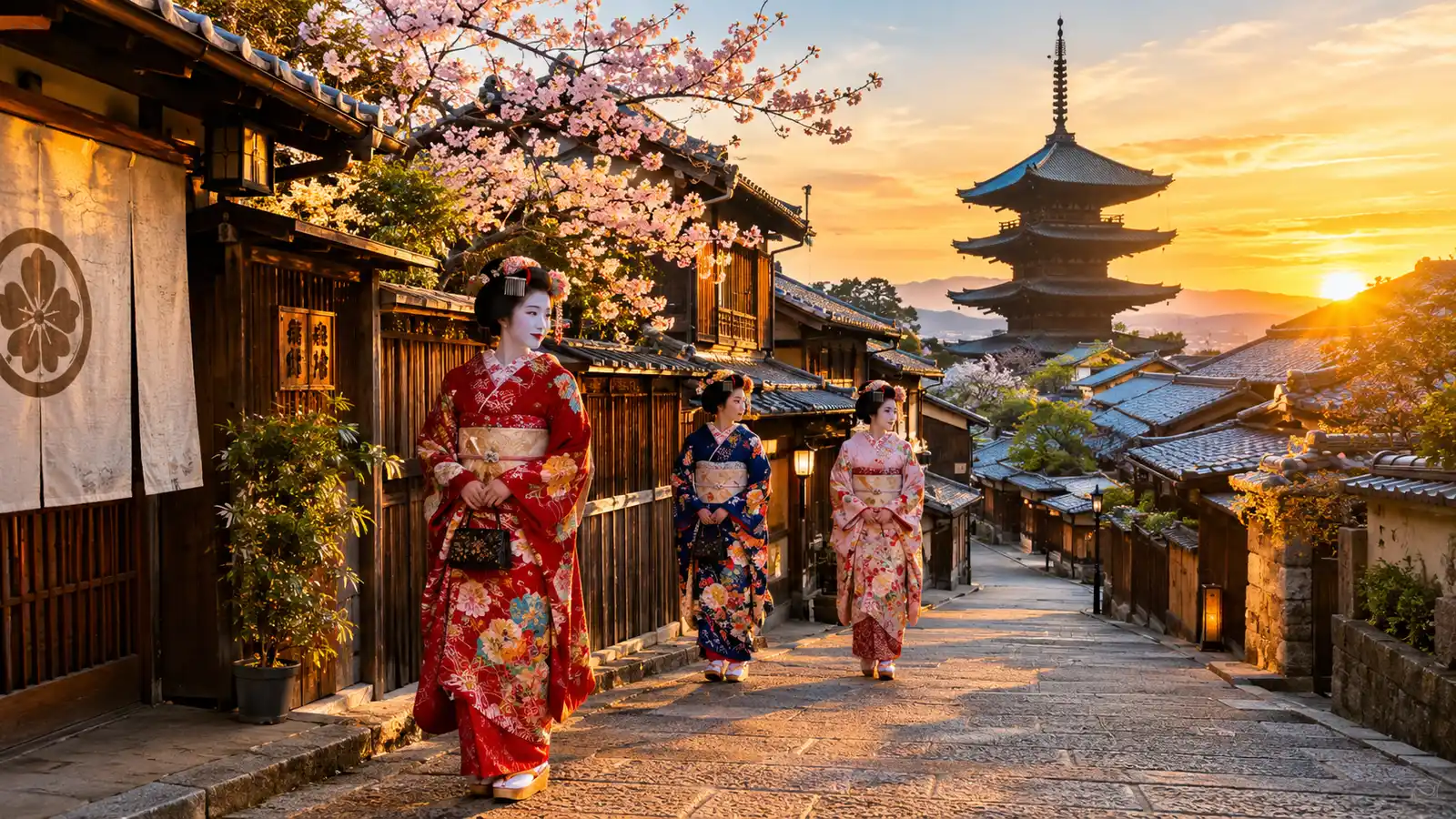
Finding an authentic geisha show in Kyoto can feel daunting. Here is how to book genuine maiko dances, historic theater seats, and evening cultural showcases across the five flower districts without falling into tourist traps.
Discover what makes geisha show kyoto unforgettable.
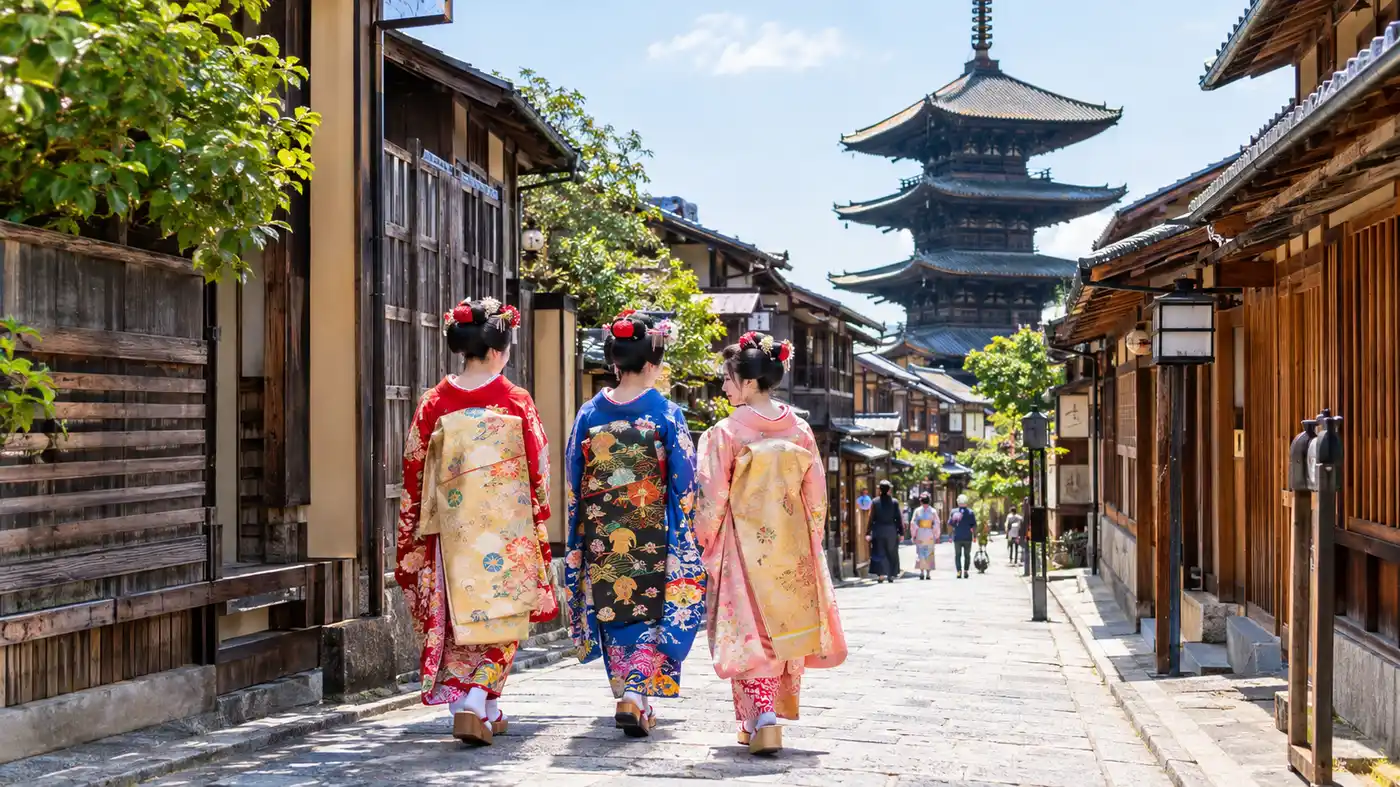
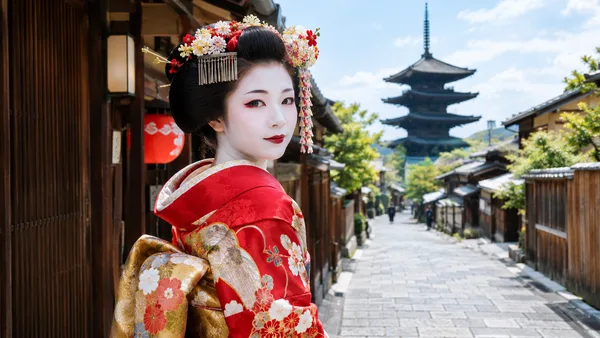
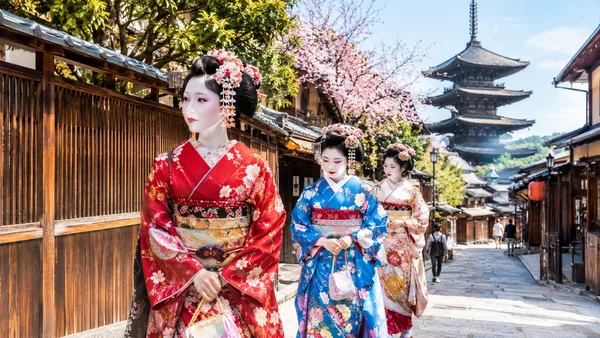
Gion Kobu, Pontocho, and Kamishichiken each maintain distinct musical styles and crests. Wandering through these lantern-lit alleys before an evening performance reveals timber machiya townhouses that have sheltered artists since the Edo era.
Learn more →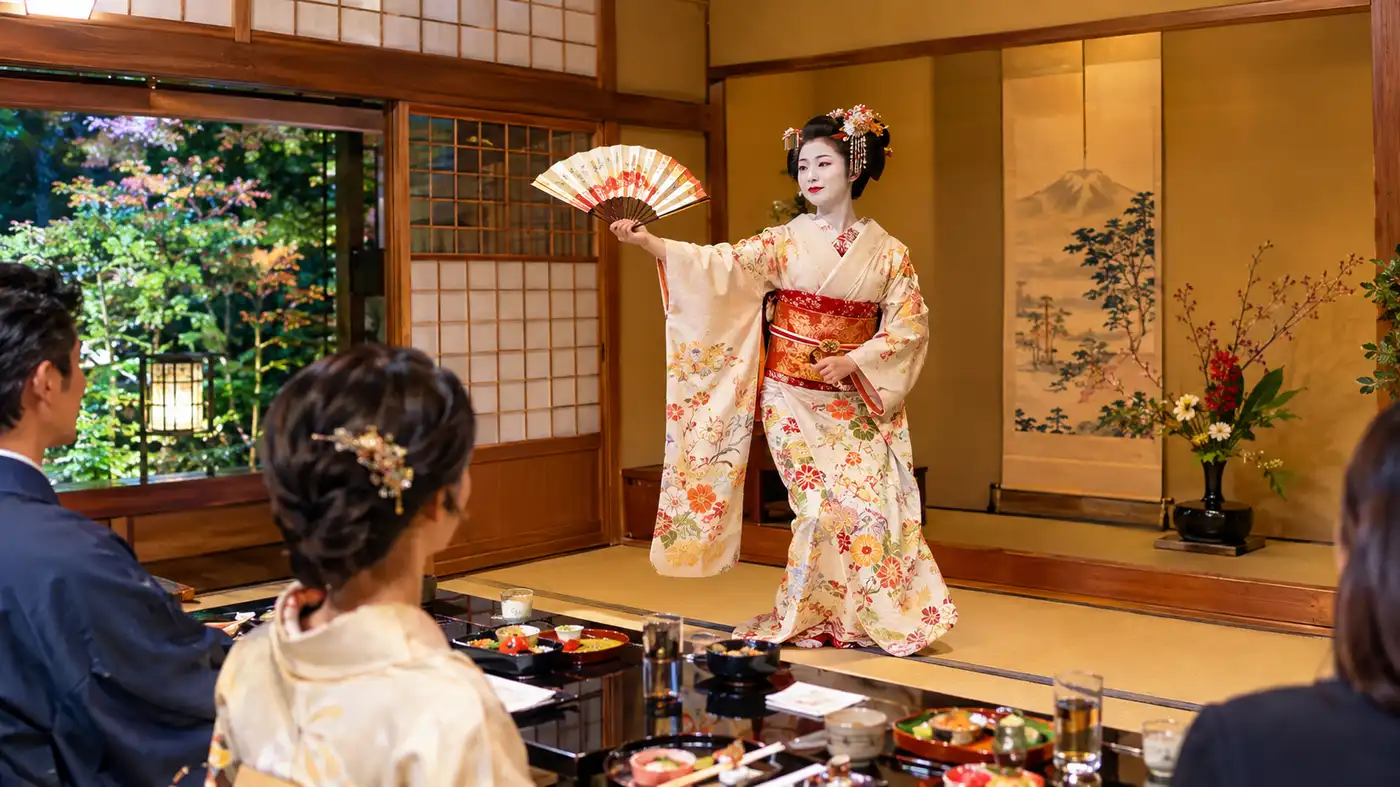
Specialized cultural salons in Higashiyama let you sit within a few paces of apprentice geiko. You can observe their intricate kanzashi hair ornaments up close, enjoy matcha whisked before you, and ask candid questions about daily apprentice life.
Learn more →
Performers spend years training in voice, shamisen, koto, and graceful fan manipulation. Watching a live performance demonstrates the discipline required to convey complex folklore through subtle head tilts and sleeve adjustments.
Learn more →What to expect from arrival to departure.
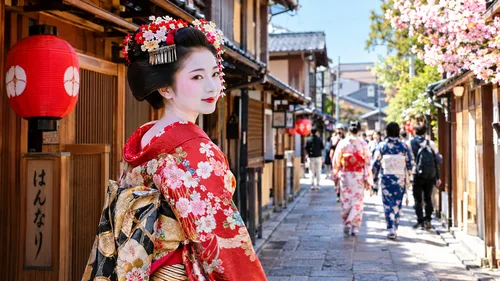
Reach southern Gion 25 minutes before curtain to check in and avoid rushing down narrow flagstone lanes.
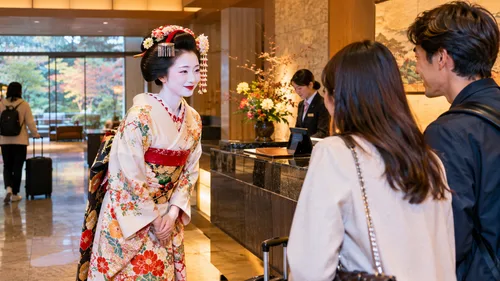
Pick up your translated guide at the desk, noting the dance storylines and shamisen song titles.
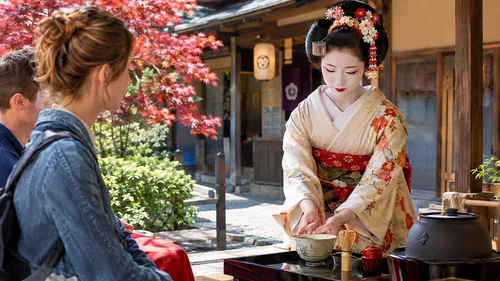
Certain evening programs open with a ritual tea demonstration where a maiko prepares green tea for guests.
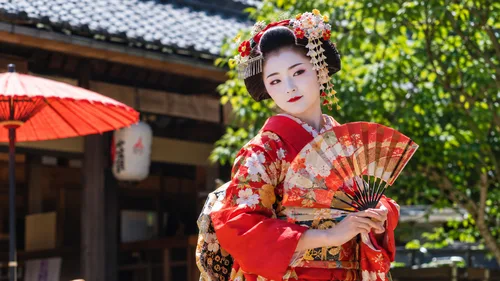
Watch stylized seasonal dances set to live singing, featuring delicate fan movements and silk trailing kimono.
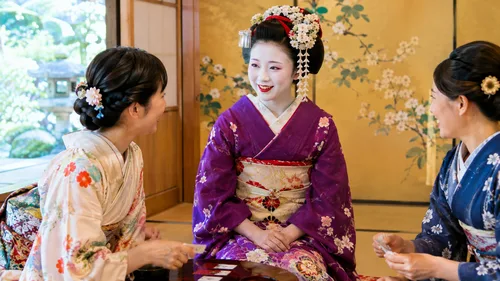
Smaller cultural sessions allow guests to play simple ozashiki games like Konpira Fune Fune or ask questions.
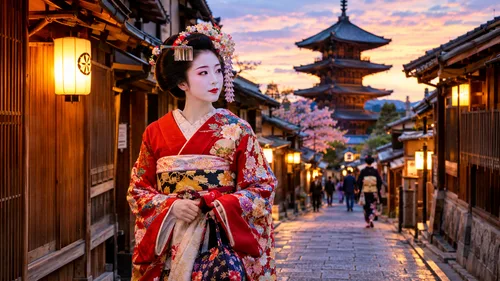
Step back out into quiet cobblestone paths just as red lanterns glow along the Shirakawa canal.
For centuries, the timber teahouses of Gion, Miyagawacho, and Pontocho operated strictly behind closed doors. To watch a geiko or maiko perform required an introduction from an established regular patron. Today, travelers can witness these arts through well-run public stages and intimate evening programs. A standard geisha show in Kyoto puts classical arts on display, from the slow, deliberate movements of the Kyomai dance style to the sharp plucking of the three-stringed shamisen.
The most accessible entry point is Gion Corner inside Yasaka Hall, offering a compact geisha dance show alongside bunraku puppetry and court music. If you visit during spring or autumn, seasonal festivals like the Miyako Odori in April or the Gion Odori in November bring dozens of geiko and maiko to grand theater stages for elaborate multi-act productions. For those seeking personal interaction, smaller 1 hour geisha show and tea events let you ask questions directly through a translator.
Booking tickets ahead of time matters, especially around peak cherry blossom and maple foliage seasons. Knowing whether you want a broad cultural sampler or a dedicated private banquet will shape your night in the old capital.
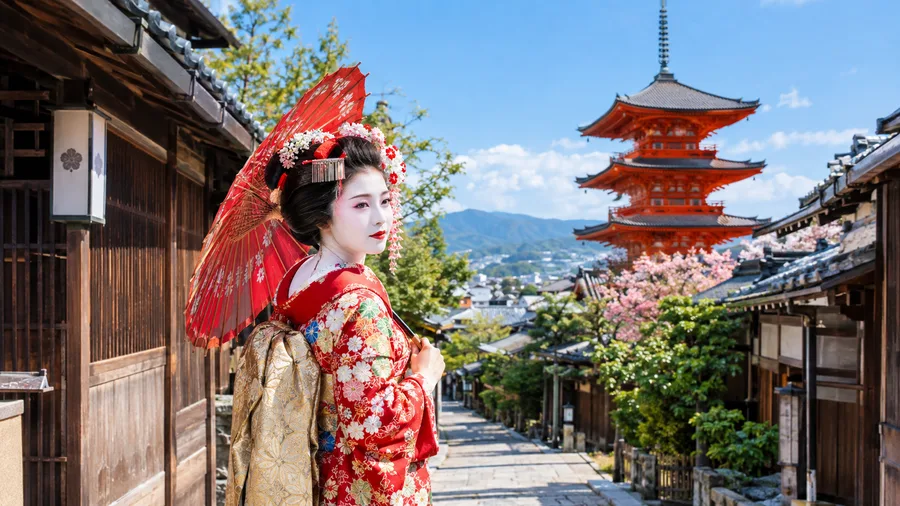
We booked the 18:00 Gion Corner show on a wet Tuesday. Seeing the maiko perform the Gion Kouta live while playing real shamisen was mesmerizing.
Securing tickets for Miyako Odori in April took some planning, but the stage sets and synchronized fan work blew us away.
The performance itself was graceful and educational, though seating in the back rows made it slightly tough to see the subtle hand movements.
Attending the small tea salon in Higashiyama gave us 20 minutes to ask questions through the translator. Worth every yen.
Compare options and book directly below.
General admission to a 50-minute multi-arts showcase at Gion Corner featuring maiko dance, court music, and puppet theater.
Reserved seating for grand multi-act theater shows like Miyako Odori, including a printed souvenir program booklet.
Intimate 75-minute gathering with matcha service, two solo dances, English interpretation, and direct photo opportunities.
Everything you need to know before visiting geisha show kyoto.
Hours: Shows daily at 18:00 and 19:00 (approx. 50 minutes each; doors open at 17:30). From December 1 to mid-March, performances typically run Tuesday through Friday only. Closed July 16, August 16, and December 29 to January 3.
| Standard Theater Seat (Advance online or box office) | ¥4,000 |
| Seasonal Odori Reserved (Spring and autumn seasons) | ¥5,500 |
| Maiko Tea & Performance Salon (Small group reservation) | ¥12,500 |
📍 Yasaka Hall, 570-2 Gionmachi Minamigawa, Higashiyama-ku, Kyoto 605-0074, Japan
See it before you go.

Worth combining with your geisha show kyoto visit.
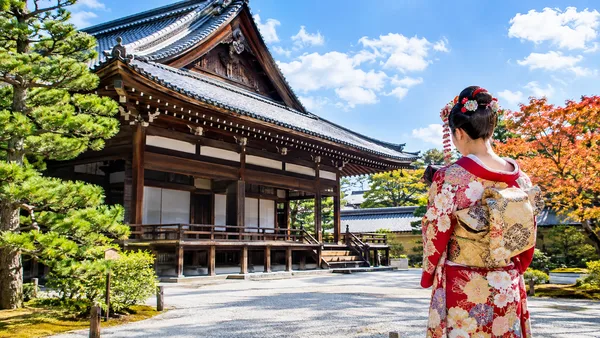
Kyoto's oldest Zen temple featuring twin dragon ceiling paintings and peaceful gravel gardens.
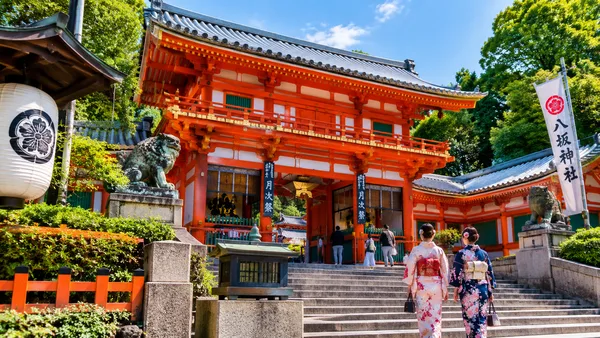
Historic Shinto complex glowing with hundreds of hanging lanterns each dusk.
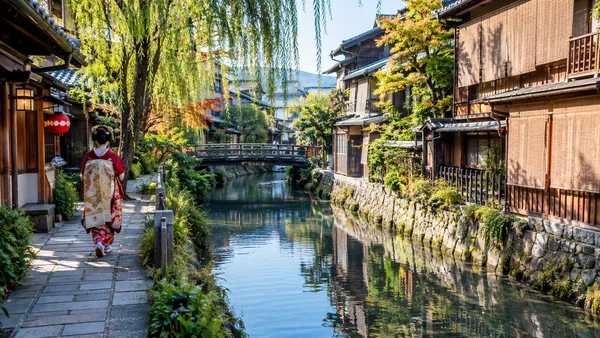
Willow-lined stone path bordered by preserved wooden teahouses and clear running water.
Geisha Show Kyoto welcomes all visitors with accessibility features and family-friendly amenities.
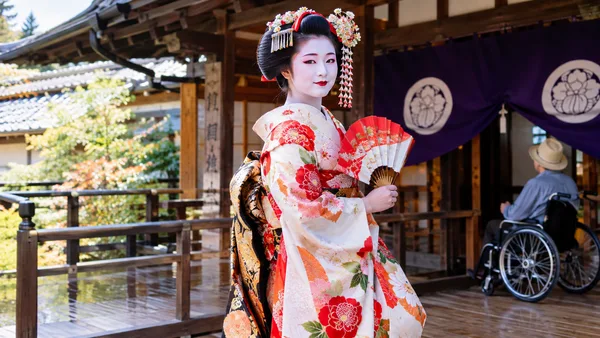
Partially accessible; provides a ramped alternate entrance and wheelchair rentals on site. No elevator or dedicated wheelchair-accessible parking is available.
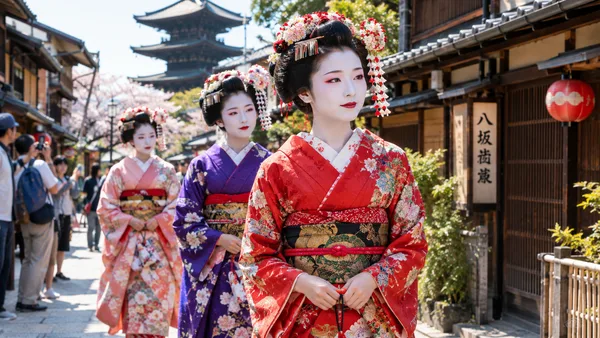
Welcoming to families; children 6 and under enter free on a lap. Note that there are no stroller rentals, nursing rooms, or dedicated childcare facilities available.
Printed summaries and audio devices in English, French, and Chinese are available at major public theater desks.
The theater consists of a single hall with 12 tiered rows and 165 seats without elevators. Located within walking distance of Gion-Shijo Station (approx. 5 minutes) and Gion bus stops along flat paved streets.
Dive deeper into geisha show kyoto.
Do geishas still exist in modern Japan? Discover where real geiko and maiko live today, their daily training rules, …
Continue Reading →
Wondering how to book an authentic geisha dinner in Kyoto? Here is what happens at an ozashiki party, what it costs, …
Continue Reading →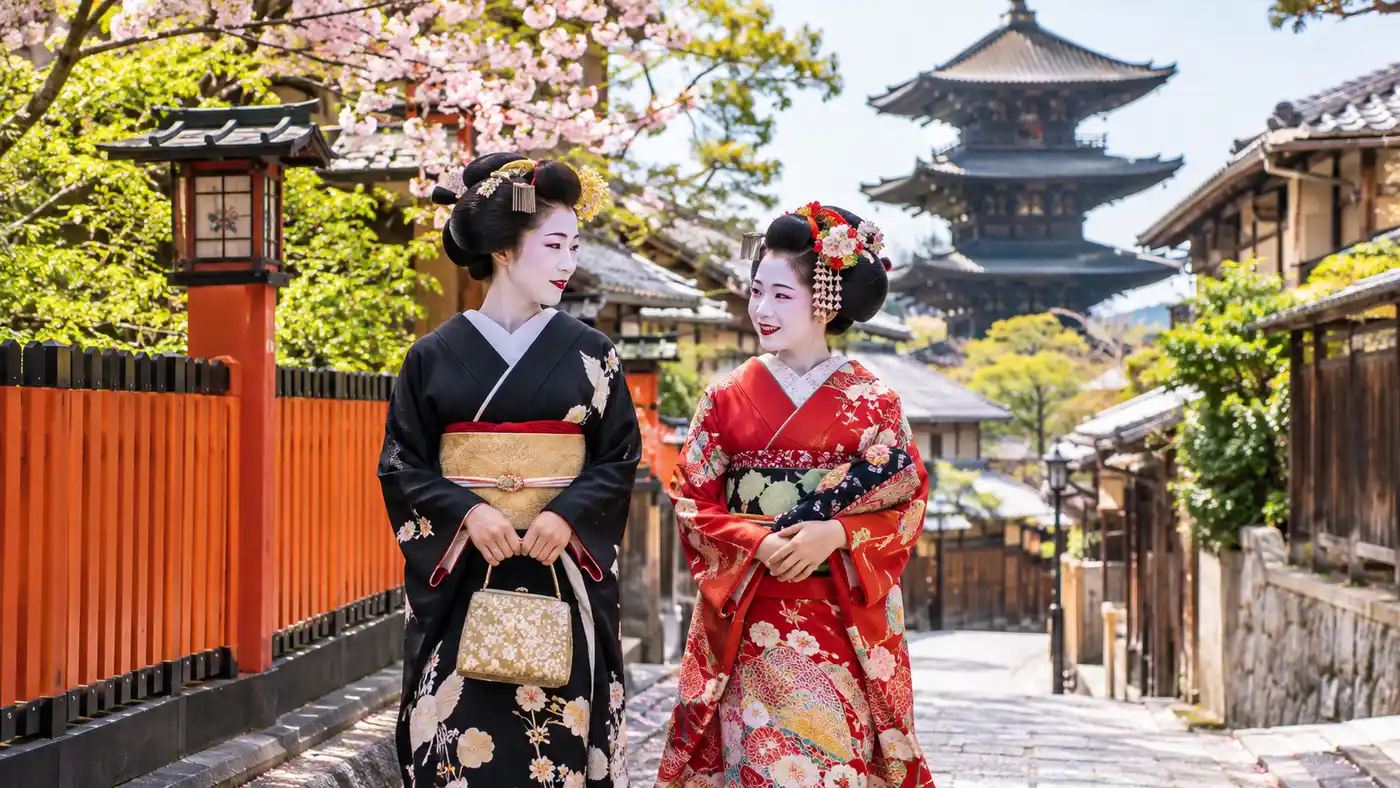
Discover the real differences between geisha and maiko. From kimono and hairpins to training rituals, learn how to tell …
Continue Reading →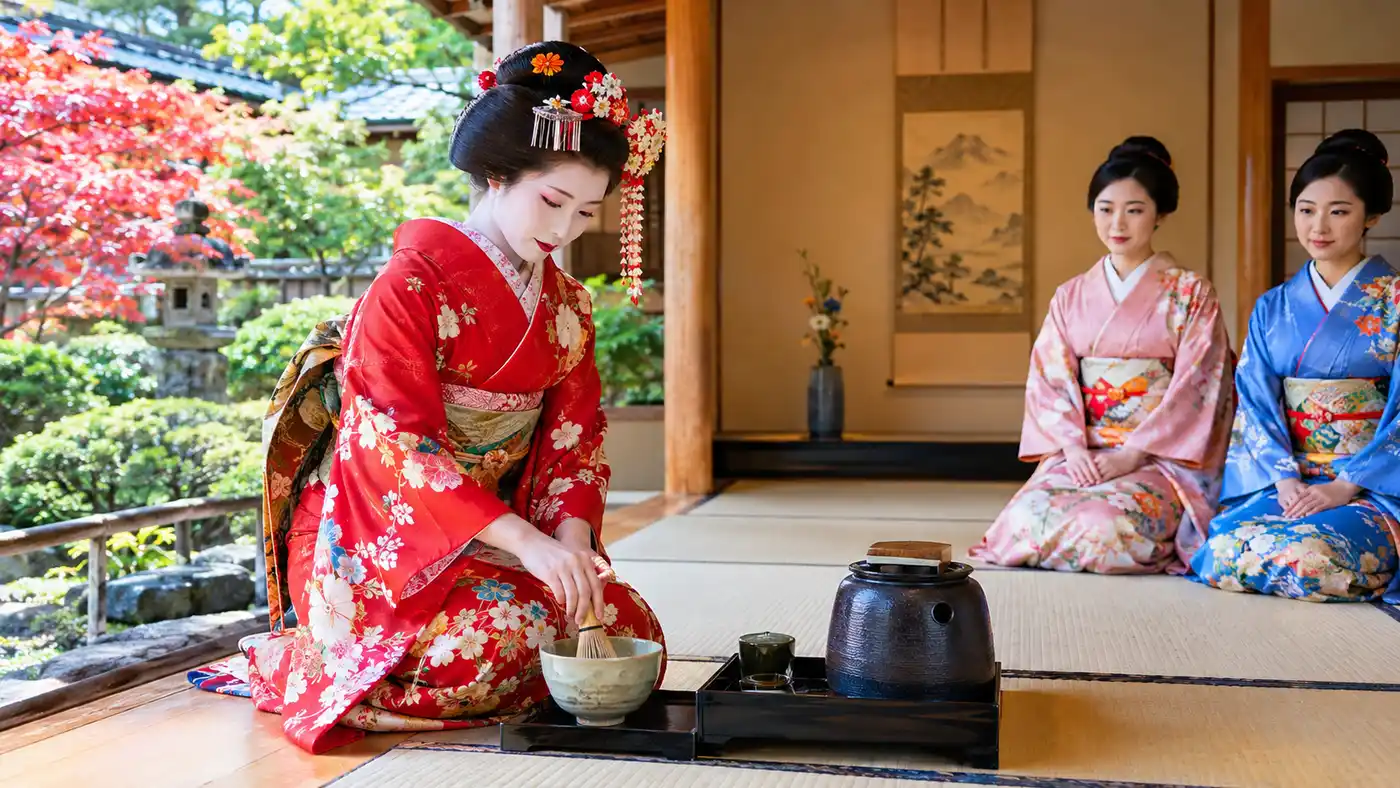
Book an authentic geisha tea ceremony kyoto experience. Learn what to expect, kimono rental tips, teahouse etiquette, …
Continue Reading →
Wondering where to see geisha in Kyoto? Discover the top districts, best streets, evening timing tips, and walking tours …
Continue Reading →Common questions about geisha show kyoto.
Maiko are apprentices aged roughly 15 to 20, recognizable by colorful trailing obi sashes and natural hair with seasonal ornaments. Geiko are fully qualified artists who wear understated kimono and wigs.
General admission for public showcases at Gion Corner runs around ¥4,000 to ¥5,500. Seasonal theater tickets cost between ¥4,500 and ¥7,000, while private teahouse banquets can exceed ¥45,000 per guest.
Most venues permit photography only at designated moments, such as the final bow or specific photo calls. Flash and video recording are strictly prohibited during live dances to protect performer focus.
Gion Corner inside Yasaka Hall is ideal for first-timers because it bundles traditional dance with six other performing arts in an accessible one-hour format. Those visiting in April should choose the grand Miyako Odori instead.
Smart casual clothing works fine. You do not need formal wear, but visitors should avoid ripped jeans, beachwear, or athletic tank tops out of respect for the venue.
Yasaka Hall has elevator access and dedicated ground-level spots. Older wooden machiya used for private tea events usually have raised entry steps and tatami mat seating that may require sitting on the floor.
At large theater shows like Gion Corner, performers remain on stage without direct dialogue. If you want to converse or ask questions, book a small-group tea gathering or cultural salon featuring an English interpreter.
Reserve your seats for an unforgettable evening of classical dance, music, and seasonal hanamachi traditions.