Geisha Dinner in Kyoto: Private Dining and Ozashiki Experiences
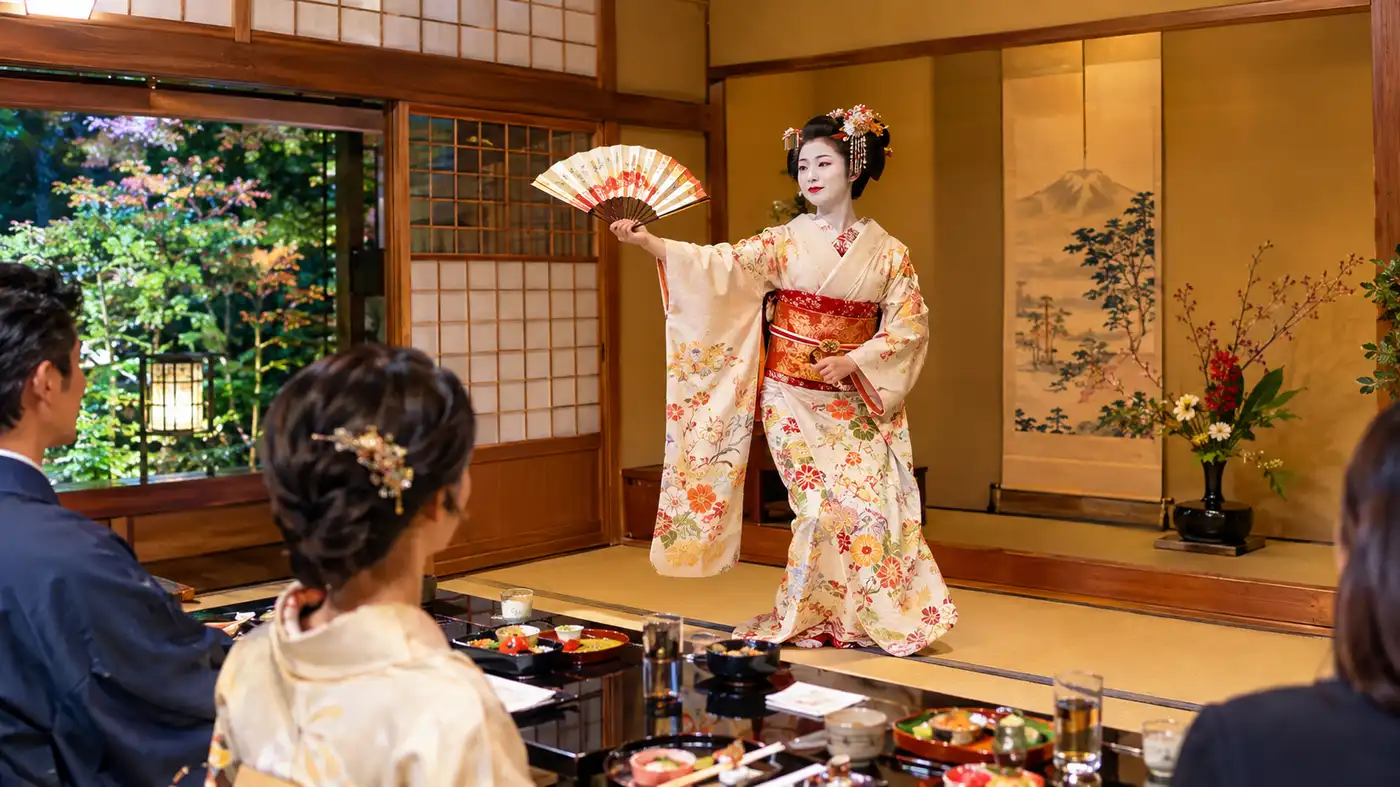
My knees were completely numb by the third course. We were sitting on tatami mats inside a quiet machiya along a back alley in Gion, listening to the soft scrape of wooden geta outside the shoji screen, waiting for our first geisha dinner kyoto to begin. When the door finally slid open, the room seemed to shrink. Two women stepped inside wearing layers of trailing silk, knelt, bowed their foreheads nearly to the floorboards, and greeted us in soft Kyoto dialect. It felt intimate and surreal, like accidentally stepping through a doorway into the Edo period.
Most travelers think an authentic dinner with an entertainer in Kyoto is impossible unless you happen to know a wealthy local politician. Twenty years ago, that was pretty much true. The teahouses strictly enforced their "ichigensan okotowari" policy, which meant first-time visitors without a personal introduction were turned away at the door. Things have changed. Today, several channels let foreigners book a real private geisha dinner kyoto or join smaller banquet events without needing an influential uncle in the prefecture. The world of ozashiki is delicate, expensive, and bound by centuries of subtle protocol. Here is how it actually works, what you pay, and how to book one without embarrassing yourself.
What Actually Happens at an Ozashiki Geisha Dinner
The term ozashiki simply refers to a tatami room party where geiko and maiko entertain guests. In Kyoto, fully fledged artists are called geiko, while their younger apprentices are called maiko. If you want to understand the visual cues before you walk in, brush up on the differences between geiko and apprentice maiko beforehand so you know why one wears trailing hair ornaments and the other keeps her hair understated.
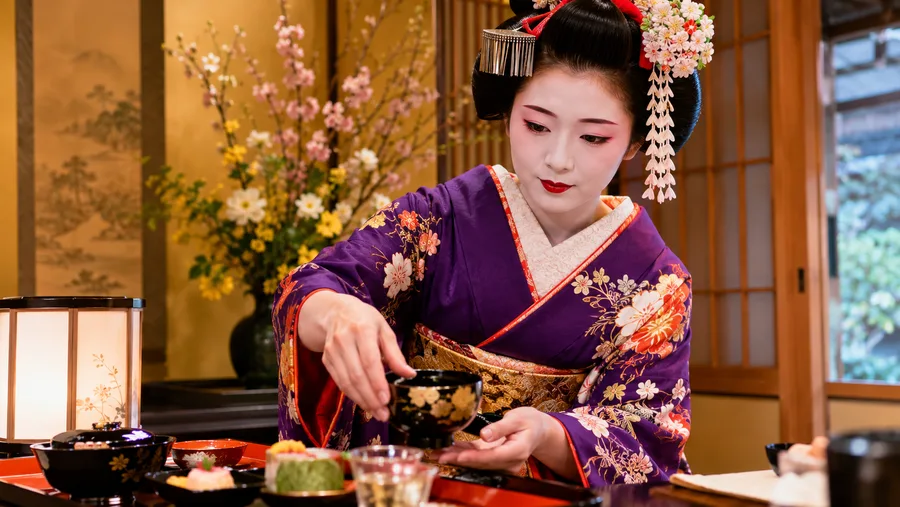
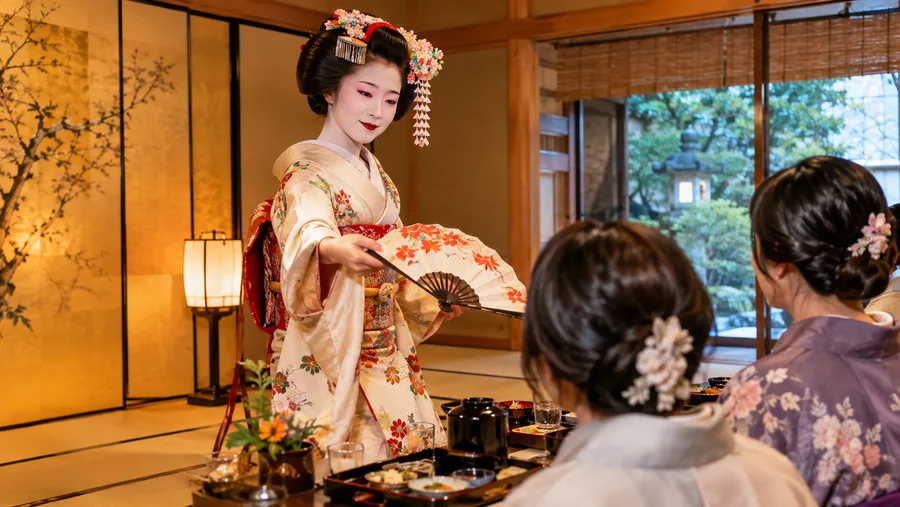
A typical dinner lasts about two hours. You will not spend the entire time watching formal dancing. Instead, the evening follows a loose, time-tested cadence built around seasonal kaiseki dining, gentle conversation, live music, and classic drinking games. When they first enter, the entertainers will pour your drinks. Etiquette says you should hold your small beer glass or sake cup with both hands while they fill it, and it is polite to offer to pour a drink back into their cup. They might take a tiny sip or politely decline if they have three more parties to attend that night.
Note: Never touch a geiko or maiko, or grab their silk kimono to inspect the fabric. These garments are handmade heirlooms that often cost upwards of $20,000, and personal boundaries in the ozashiki room are sacred.
Once the initial drinks are poured, one of the artists will pick up a shamisen - a three-stringed traditional instrument - while the other moves to the center of the tatami. The dance is brief, usually five to seven minutes. It tells a seasonal story through precise gestures of the hands, eyes, and folding fan. After the dance wraps up, the mood relaxes. That is when ozashiki asobi begins.
These traditional drinking games look childish on paper, but they break the tension instantly. The most famous one is Tora Tora, a theatrical rock-paper-scissors game played behind a screen with pantomime gestures representing a tiger, an old mother with a walking stick, and the samurai Kato Kiyomasa. Another favorite is Konpira Fune Fune, where you tap a wooden sake cup box to the rhythm of a song without missing a beat as the maiko speeds up the tempo. Lose a round, and you drink a small cup of beer or sake. It is lighthearted and surprisingly competitive. You will find yourself laughing much harder than you expected.
Book your geisha show kyoto experience:
Private Dinners vs. Kyoto Geisha Dinner Show: Choosing Your Style
Not everyone needs - or can afford - a private teahouse room reserved just for two people. Kyoto offers a few distinct tiers for this kind of evening, and being realistic about your budget saves you from sticker shock.
A true private geisha dinner kyoto takes place inside an ochaya (teahouse) or an upscale ryotei (traditional restaurant). You and your travel companions have the room entirely to yourselves. You get one or two entertainers dedicated to your table for the duration. It is personal, quiet, and deeply atmospheric. You can ask questions through an interpreter, listen to private shamisen pieces, and play games at your own pace. The downside is the bill. Between room rental fees, seasonal kaiseki food, drinks, and the entertainer fees (known historically as "hanadai" or flower fees), an authentic private dinner easily runs between 70,000 and 150,000 yen per person.
Shared banquets or group dining experiences fall on the opposite end of the spectrum. Several boutique companies and cultural centers now host an ozashiki party where 10 to 20 tourists sit at low tables in a shared dining hall. A maiko performs a couple of dances, moves around the room to pour a drink and chat for three or four minutes with each table, and poses for photos before heading to her next engagement. It feels less like a bespoke evening and more like a structured cultural presentation, but the cost drops dramatically to roughly 22,000 to 38,000 yen per seat.
Then you have larger theatrical setups, sometimes billed as a kyoto geisha dinner show. These are usually staged at larger banquet venues near Kawaramachi or Gion. Food is served buffet-style or as a bento box, the performance happens on a raised stage across the room, and personal interaction is limited to a quick group photo line at the end. I usually steer people away from these unless your budget is extremely tight, simply because you lose the intimate hospitality that makes Kyoto geisha culture special.
| Experience Type | Approx. Cost per Person | Group Size | Interaction Level |
|---|---|---|---|
| Private Ochaya / Ryotei | ¥80,000 - ¥160,000 | 2 - 6 guests (private) | High (dedicated geiko & interpreter) |
| Shared Ozashiki Banquet | ¥25,000 - ¥42,000 | 10 - 25 guests | Moderate (shared conversation, group games) |
| Casual Dinner Show | ¥14,000 - ¥22,000 | 30 - 60+ guests | Low (stage performance, quick photo) |
How to Book an Authentic Geisha Dinner in Kyoto
If you walked up to a wooden teahouse in Miyagawacho and knocked on the sliding lattice, you would be politely told no. They protect the privacy of regular patrons fiercely, and they do not run reception desks. You have to book through authorized intermediaries who hold longstanding relationships with the district offices.
The most common route for foreigners is booking through luxury hotel concierges. Five-star properties in Kyoto - places like The Ritz-Carlton, Park Hyatt Kyoto, or the Four Seasons - have dedicated cultural liaisons who maintain personal accounts at respected ryotei across the five hanamachi. If you stay at one of these properties, reach out to their concierge team three to four months in advance. Tell them you want a dinner with a geisha kyoto experience in a private room. They will handle the teahouse negotiation, secure the translator, and charge the entire bill back to your room folio.
If you are renting a machiya or staying in a mid-range hotel, specialized cultural agencies are your next best option. Companies like Enso-Ango, Voyagin (now Rakuten Travel Experiences), and boutique outfitters like Japan Wonder Travel work with licensed English-speaking guides who act as the sponsoring bridge. They book the room, hire the geiko or maiko through the district registry, and accompany you to translate stories and explain the rules during the meal.
Pro tip: Request an English-speaking guide or interpreter when booking your private room. Most geiko speak only a handful of polite English greetings, so having a translator present turns a silent dinner into three hours of hilarious storytelling.
Pay close attention to cancellation policies when confirming your reservation. Teahouses do not easily re-book performers on short notice. Most agencies require full payment upfront, with strict cancellation penalties starting 14 or even 21 days before the dinner date.
Book your geisha show kyoto experience:
Ozashiki Etiquette: Rules and Mistakes to Avoid
Sitting in a 200-year-old tatami room can make you feel self-conscious. You wonder if you are holding your chopsticks wrong, if you spoke too loudly, or if your socks have a hole in the toe. The performers understand you are a foreign visitor. They are masters of hospitality and go out of their way to make you feel comfortable. Still, showing respect for the space goes a very long way.
- Wear spotless, plain socks: You must remove your shoes at the genkan before stepping on the raised tatami floor. Bare feet or dirty socks are considered a serious breach of hygiene.
- Dress smart-casual or semi-formal: Leave the faded denim, shorts, and flip-flops at your hotel. Collared shirts, tailored trousers, or knee-length dresses fit the dignity of the setting.
- Avoid strong perfumes or colognes: Subtle aromas of seasonal dashi, grilled fish, and cedar incense define kaiseki dining. Heavy synthetic fragrance ruins the meal for everyone in the room.
- Ask before snapping photos: Taking pictures during the dance performance is usually forbidden to avoid distracting the artist. Wait until the games begin or the meal finishes, then ask your host if portraits are welcome.
Be thoughtful about how you sit. Men typically sit cross-legged (agura) on cushions, while women are traditionally expected to sit with legs tucked beneath them (seiza). Honestly, nobody expects a foreigner to endure two hours of seiza. Your knees will lock up in twenty minutes. If your legs go numb, simply apologize softly and shift your legs to the side. Most modern ryotei can provide a small low chair with back support (zaisu) or even set the entire dinner around a low table with a recessed floor pit (horigotatsu) so your legs dangle naturally.
What the Kaiseki Meal Entails
A real geisha dinner in kyoto is just as much about high culinary art as it is about traditional dance. The food served is almost exclusively Kyo-kaiseki, Kyoto's refined multi-course dining tradition that evolved out of temple vegetarian cooking and imperial court banquets. It changes month by month to reflect micro-seasons.
The meal will usually comprise eight to ten small courses. It begins with sakizuke, a small appetizer paired with a seasonal sip of sake, followed by hassun, an artistic platter displaying the seasonal theme - maybe maple leaves in November or cherry blossom petals carved from daikon radish in April. Next comes a clear soup (suimono) featuring a broth made from aged kombu and shaved bonito flakes that has simmered for hours, followed by fresh seasonal sashimi, grilled fish, a simmered vegetable dish (takiawase), and finally rice, pickles, and red miso soup.
The pacing is unhurried. Each dish arrives on antique lacquerware, hand-painted porcelain, or rough Bizen earthenware. While you eat, your entertainer will sit nearby on her heels, pouring beverages and chatting about Kyoto weather, the local festivals, or her daily rehearsal schedule. You might wander into a conversation about the historic lanes hiding in Kyoto's five hanamachi, and she will point out which local sweet shops she visits on her rare days off. It feels surprisingly grounded.
One thing worth noting about the food: kaiseki is adventurous in texture rather than heavy spice. You might encounter dishes like simmered octopus, sea urchin, grated mountain yam with a slimy texture, or salted fish roe. If you have severe shellfish allergies or dietary restrictions, notify your booking agent at least a week prior. Ryotei kitchens source their ingredients fresh at the morning markets and cannot modify a menu on the night of the event.
Practical Tips for Planning Your Evening
Getting the details right makes the difference between an unforgettable memory and an awkward, stressful evening. Here are a few practical rules of thumb I share with friends planning their first geisha experience kyoto.
- Book at least 8 to 12 weeks ahead: Quality teahouses and agencies fill their calendars fast, especially during the cherry blossom weeks of late March and peak autumn foliage in mid-November.
- Arrive 10 minutes early: Punctuality in Japan is absolute. Arriving late shortens your own time with the entertainers because their schedule is locked down minute-by-minute across several teahouses.
- Prepare cash for tips: While tipping is not customary in regular Japanese restaurants, giving a small gratuity (kokorozuke) in an ozashiki setting is traditional. Place 5,000 to 10,000 yen inside a small decorative envelope (pochi-bukuro) and hand it discreetly to your interpreter or head maid (nakai-san) at the start of the night.
- Do not invite outside guests last-minute: The teahouse prepares seating, place settings, and portions exactly to the booked head count. Adding even one person at the door is impossible.
If private dining simply stretches your travel budget too thin, do not despair. You can look into daytime alternatives like a group tea ceremony or an afternoon cultural demonstration, which give you a taste of the artistry without the four-figure invoice. But if you have saved up for a singular, once-in-a-lifetime Kyoto evening, this is the one to book.
Frequently Asked Questions about geisha dinner kyoto
How much does a geisha dinner in Kyoto actually cost?
A private dinner for two people at an authentic ryotei typically costs between 120,000 and 220,000 yen total ($800 to $1,500 USD), including food, drinks, interpreter fees, and the entertainer's rate. Shared group banquets cost significantly less, averaging around 25,000 to 35,000 yen per person.
Can solo travelers book a dinner with a geisha in Kyoto?
Yes, though private bookings will be expensive since you must bear the flat room fee and entertainer rate alone. Solo travelers often have a better experience joining small-group ozashiki banquets, where you can meet fellow travelers while still interacting directly with the maiko or geiko.
Can children attend an ozashiki geisha dinner?
Most traditional teahouses and private ryotei welcome families with well-behaved children, though you must book a private room. Group banquet experiences, however, frequently enforce an age limit of 12 or 16 due to alcohol service and the calm atmosphere required.
Do geisha and maiko speak English during the dinner?
A few entertainers know basic conversational English phrases, but the vast majority speak almost exclusively Japanese. To get the most out of your evening, hire a bilingual guide or book through an agency that provides an English-speaking interpreter for the room.
Quick Reference
- Private dinner: ¥80,000 - ¥160,000 per person
- Typical duration: 2 hours
- Dress code: smart-casual, clean socks required
- Best booking window: 2 to 3 months in advance
- Key districts: Gion Kobu, Pontocho, Miyagawacho
Book your geisha show kyoto experience:
Is It Worth It?
Spending several hundred dollars on a single meal feels extravagant, and I debated whether to pull the trigger for months before my first trip. Looking back, that quiet evening on the tatami cushions remains the clearest memory I have of Japan. It is not a performance put on for tourists behind velvet ropes. It is living history, preserved with unbelievable dedication in a world that moves too fast. If your travel savings allow for one major splurge while visiting the old capital, an ozashiki dinner is worth every yen.
Read more about geisha show kyoto.